
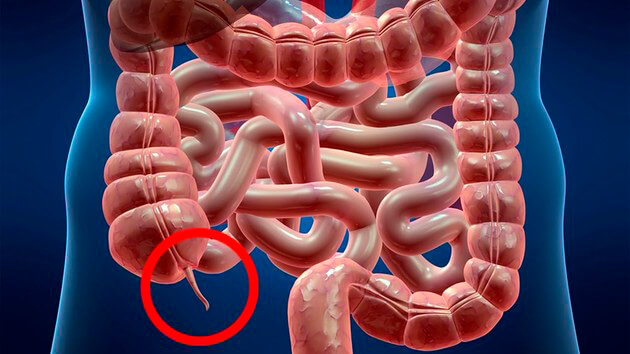
Pseudomyxoma peritonei is an extremely rare disease, with an estimated annual incidence of 1 in 1,000,000, meaning that in a single year, only one person out of one million will have pseudomyxoma. To put this into perspective, common conditions like colorectal cancer and gallstones (cholelithiasis) affect approximately 1 in 22 and 1 in 10 individuals over their lifetime, respectively.
Pseudomyxoma peritonei is characterized by the presence of mucinous ascites or implants in the peritoneal cavity. It usually originates from lesions in the appendix or ovaries. The disease is typically diagnosed after the age of 40. In 30 to 50% of cases, patients experience progressive abdominal distension, often mistaken for weight gain.
Diagnosing pseudomyxoma peritonei can be challenging as the symptoms are often subtle and nonspecific. In addition to abdominal distension, less common symptoms include abdominal pain, weight loss, urinary symptoms, constipation, vomiting, and shortness of breath. Diagnosis may follow the discovery of an ovarian mass in women or the recent development of inguinal hernia, appendicitis, or intestinal obstruction.
The most commonly used diagnostic procedures for diagnosing and staging pseudomyxoma peritonei include chest, abdomen, and pelvic computed tomography (CT), abdominal puncture, diagnostic laparoscopy, and laboratory tests. CT scans can provide images of the initial lesion of affected tissue, as well as signs of mucin in the abdominal cavity.
With advancements in medical technology and greater availability of imaging tests, it is not uncommon for pseudomyxoma peritonei to be incidentally discovered. For example, a person may undergo an MRI to investigate back pain or a CT scan ordered by a urologist to investigate a kidney stone. In such cases, the scans may reveal signs of pseudomyxoma peritonei, even though this was not initially suspected.
Read also: Is pseudomyxoma considered cancer?
Imaging tests such as computed tomography (CT) and magnetic resonance imaging (MRI) are valuable tools for diagnosing pseudomyxoma peritonei. They can provide images of the initial lesion of affected tissue, as well as signs of mucin in the abdominal cavity. These exams allow for a better assessment of lesions due to their spatial resolution capabilities, multiplanar images, and different sequences (in MRI).
In summary, pseudomyxoma peritonei is a rare disease, and its diagnosis is often challenging due to its nonspecific clinical presentation. Compared to more common conditions like colorectal cancer and gallstones, the rarity of pseudomyxoma peritonei is notable. However, with awareness and early diagnosis, patients have the opportunity to receive appropriate treatment and improve their quality of life. Routinely undergoing imaging tests for other conditions can facilitate the discovery of pseudomyxoma peritonei, underscoring the importance of regular health check-ups.

 por
por
 Pseudomixoma Peritoneal © 2026


